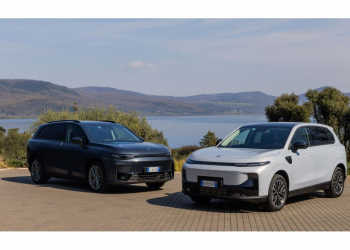

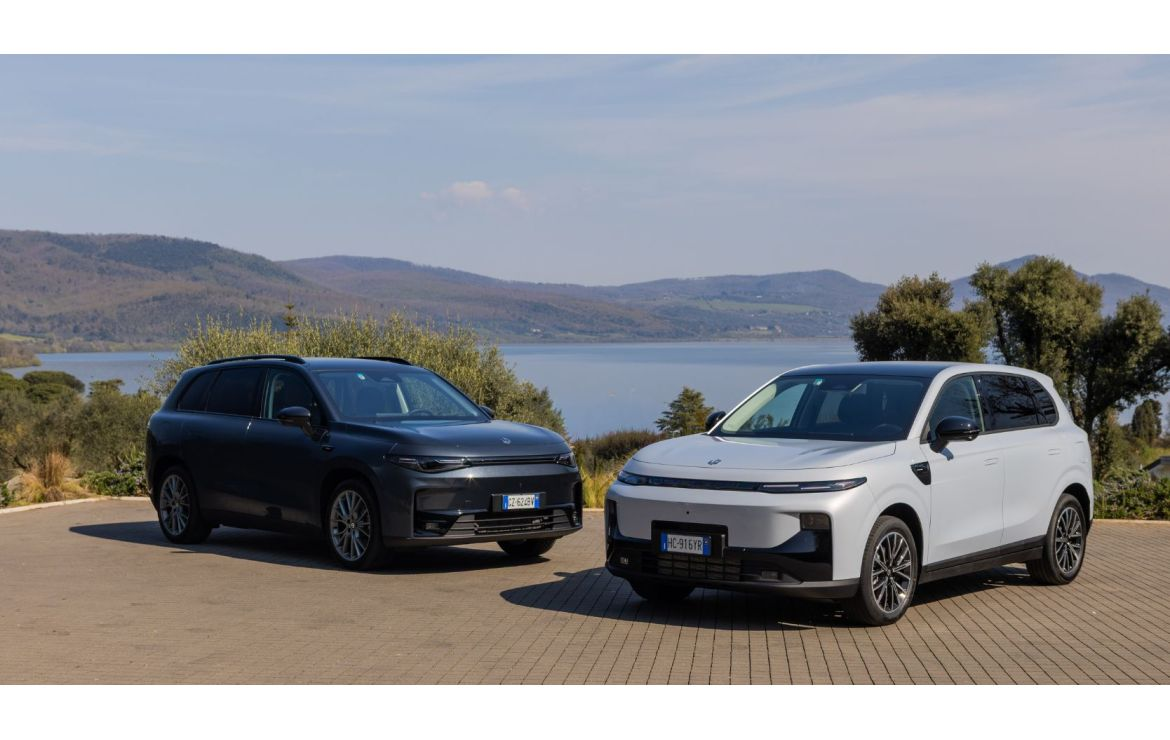
Chinese electric vehicle maker Leapmotor reported strong delivery growth in the first quarter.

The strong numbers came even as broader industry data pointed to intensifying competition and uneven demand in the domestic market.
The company delivered 110,155 new energy vehicles during the quarter, marking an increase of nearly 26% from a year earlier.
The performance also represents Leapmotor’s fourth consecutive quarter with deliveries exceeding 100,000 units.
Leapmotor sustains growth momentum
Leapmotor’s continued delivery streak comes amid a period of expansion both domestically and internationally.
While recent monthly sales updates have been limited, the company has been actively scaling its operations by expanding distribution channels abroad, increasing factory capacity, and launching new models in China.
Its partnership with Stellantis has played a key role in extending its global footprint.
The company said it had established more than 800 electric vehicle sales and service points across Europe and over 30 locations in South America by the end of 2025.
In addition, Leapmotor opened an innovation centre in Munich, Germany, in March, as part of its broader push into international markets.
The company and Stellantis are also reportedly in discussions to produce electric vehicles at a Canadian plant, according to Bloomberg.
BYD faces domestic pressure, leans on exports
In contrast, BYD maintained its position as China’s largest electric vehicle seller by volume but reported a sharp decline in quarterly sales.
The company delivered 688,993 vehicles in the first quarter, representing a 30% drop as competition intensified in a slowing domestic market.
Facing weaker demand at home, BYD is increasingly relying on overseas markets to sustain growth.
The company said it aims to sell more than 1 million vehicles internationally this year and reported that exports rose more than 55% year-on-year to 321,165 vehicles in the first quarter.
The shift underscores the broader challenges facing China’s EV sector, where slowing economic conditions and heightened competition are weighing on domestic sales.
Mixed performance across competitors
Other Chinese EV makers reported varied performance in the first quarter, reflecting diverging trends within the sector.
Nio delivered 83,465 vehicles during the quarter, nearly doubling its output from a year earlier, supported by sales of its Onvo and Firefly models.
Xiaomi delivered more than 79,000 vehicles in the quarter, representing a 14.5% increase year-on-year, following upgrades to its SU7 sedan.
Premium EV brand Zeekr reported deliveries of 77,037 vehicles, up 86% from a year earlier, while Xpeng delivered 62,682 vehicles, marking a decline of over 30% compared with the same period last year.
The latest data highlights a shifting landscape in China’s EV market, where strong growth for some players contrasts with declining sales for others.
The post China’s Leapmotor reports 26% jump in Q1 deliveries appeared first on Invezz